On screen performance
Bring characters and stories to life
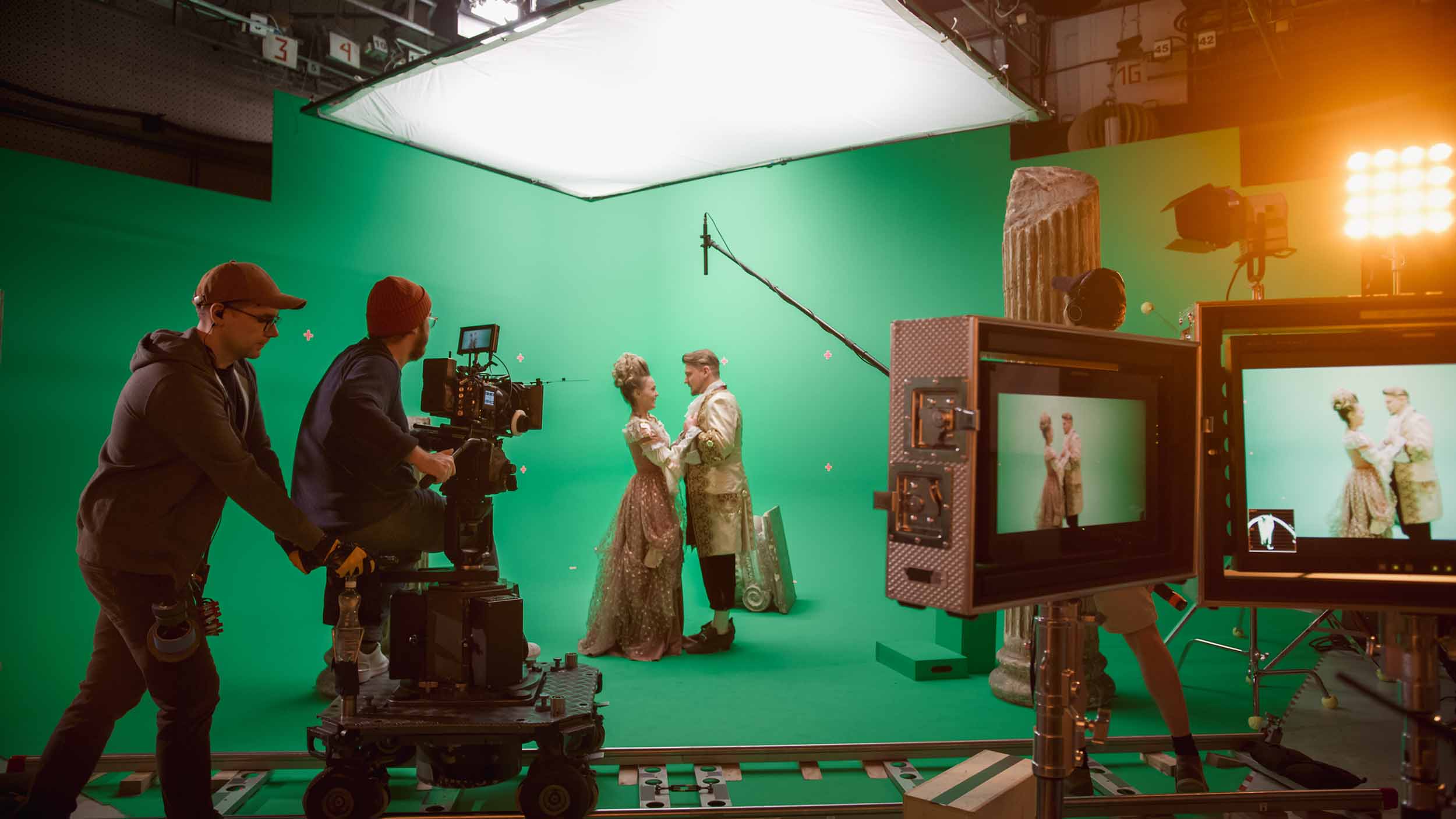
Performing on screen might be one of the industry’s most familiar careers, but there’s much more to screen performance than being the star of the show. Actors use their voices, expressions and movement to create believable characters, while other specialists help performers prepare for particular roles, scenes, and physical or vocal demands.
Screen performance can look very different from one production to another. It might mean playing a leading character, providing a voice for animation, appearing in the background of a busy scene or helping another performer achieve the movement, accent or performance a role requires
Does this sound like you?
You might feel at home here if you enjoy performing, exploring characters and emotions, expressing ideas through your voice or body, and working with other people to bring stories to life.
Love
- Performing and storytelling
- Characters and human behaviour
- Film, television and other screen content
- Using your voice or movement
- Working creatively with others
Strengths
- Communication
- Observation
- Creativity
- Adaptability
- Taking direction
What kind of job would suit me?
There are many ways to contribute to the performances audiences see and hear on screen, including roles in front of the camera and specialist roles that support performers. Which of these could you picture yourself doing?
Perform the character
- Actor: portrays a character on screen, using voice, expression and movement to interpret the script and bring the character to life
- Voice Actor: performs characters or narration using their voice for animation, games and other screen content
- Extra: appears in the background of scenes to help create believable settings, crowds and everyday activity
Step in for the performer
- Stand-in: takes an actor’s place while the crew prepares lighting, camera positions and other technical elements before filming
- Body Double: appears on screen in place of an actor for particular shots, such as close-ups of the body, physically demanding scenes or scenes requiring a particular skill, such as juggling or surfing
Help performers prepare
- Movement Coach: helps performers develop the movement, posture and physical behaviour needed for a character or performance
- Dialect Coach: helps performers develop and maintain the accents, speech patterns and pronunciation their characters need
Support safe performance
- Intimacy Coordinator: works with performers and the production team to plan intimate scenes, establish boundaries and help those scenes be performed safely and professionally
Script your learning journey
There are many ways to build the skills and knowledge you’ll need for a career in screen. Some courses offer broad experience across screen and media, while others have a more technical, creative or theoretical focus, and even courses with the same name can offer different experiences depending on where you study. No journey is the same: the best fit will depend on what interests you, how you like to learn and where you’d like your career to take you. Explore the training and education providers below to find the kind of learning that fits you.
Explore education providers
- Curtin UniversityScreen Arts
- Edith Cowan UniversityWA Screen and Media Academy
- Western Australian Academy of Performing ArtsProduction and Design
- Murdoch UniversityScreen Production
- North Metropolitan TAFEScreen and media pathways
- South Metropolitan TAFEScreen and Media courses
- University of Notre DameBachelor of Arts (Major: Film & Screen Production)
- Australian Film Television and Radio SchoolWestern Australian courses
- Goolarri MediaTraining
- SAE University CollegeFilm