

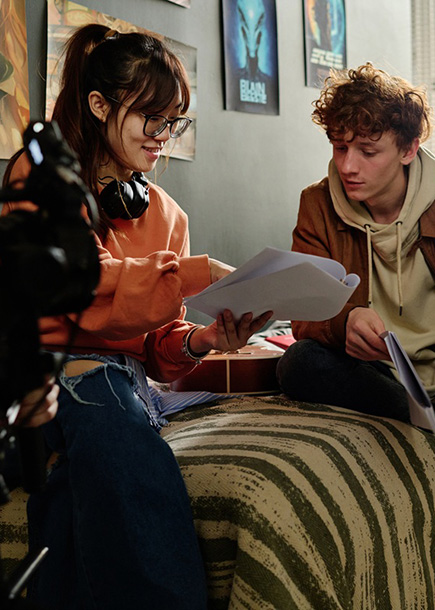
From story to screen
Every screen production starts with a story. Getting from that first idea to something that captivates audiences involves much more than a great script.
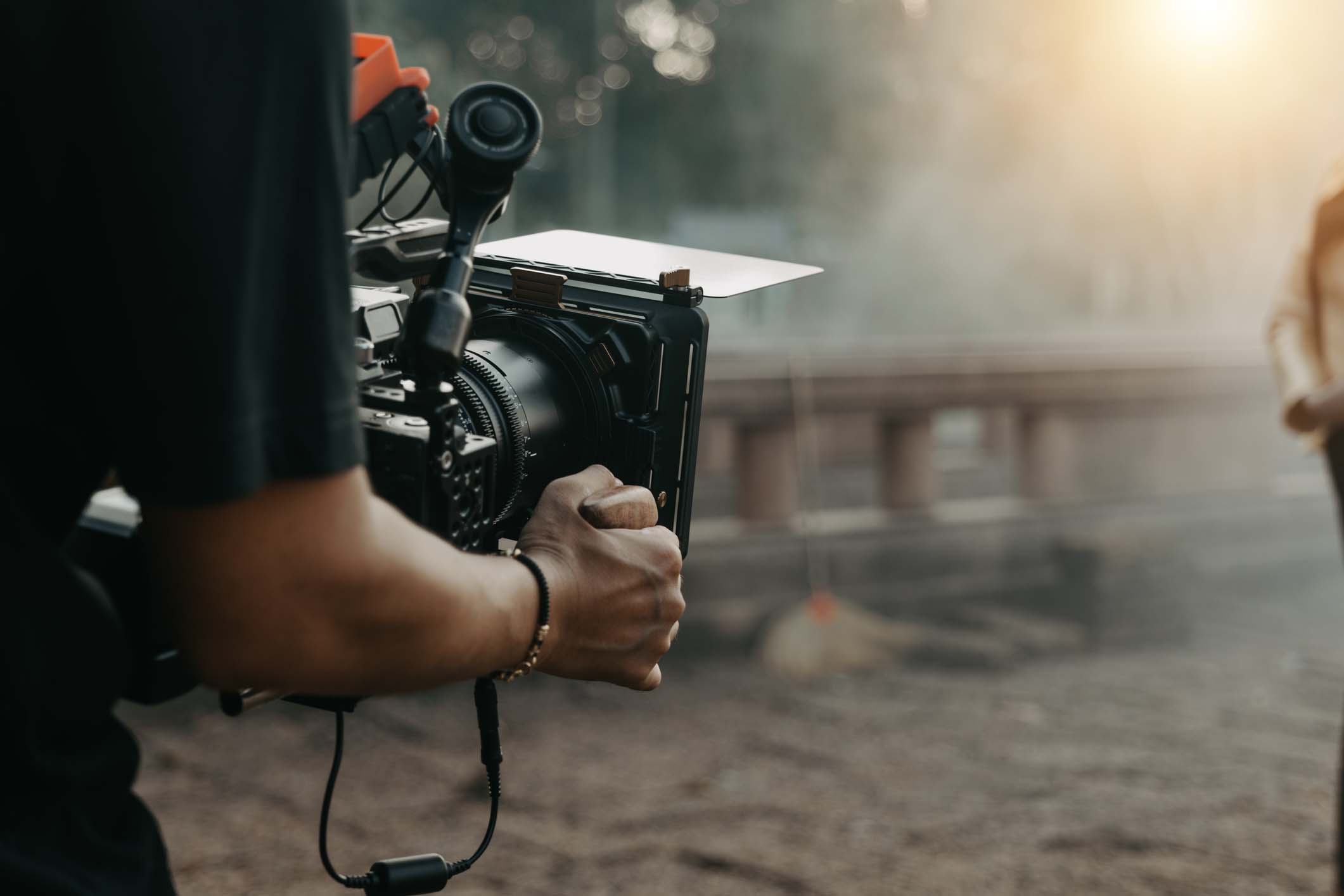
It's where the action is
Next time you watch a film or series, let the credits roll to the very end. There are hundreds of jobs that can help take a story from an idea to the screen.
Some need creativity, some technical expertise. Some need practical skills or an eye for detail. Others suit people who can organise almost anything or solve a problem under pressure to keep the whole team moving.
You may already know exactly where you want to go, or you might be about to discover a job you never knew existed.
Let’s find out where you could fit.
Every screen production starts with a story. Getting from that first idea to something that captivates audiences involves much more than a great script.

Behind every screen production is a team making sure the people, places, schedules, budgets and practical details line up. They turn a plan into something that can be filmed.
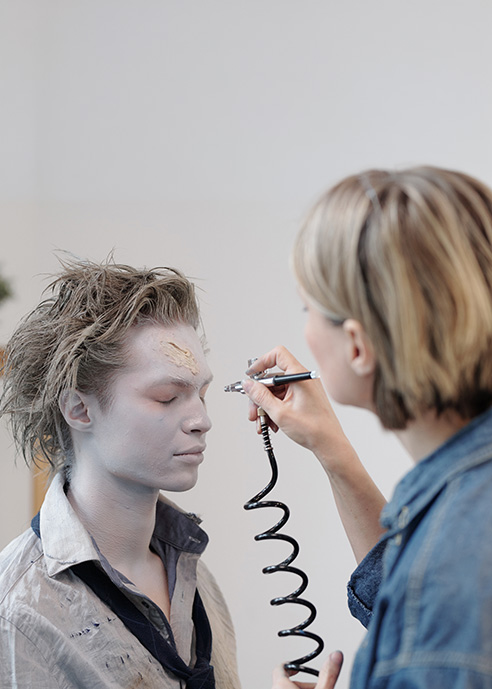
Every detail you see on screen helps tell the story. Designing and building that world takes artists, designers, makers, and builders.

Performing on screen might be one of the industry’s most familiar careers, but there’s much more to screen performance than being the star of the show.
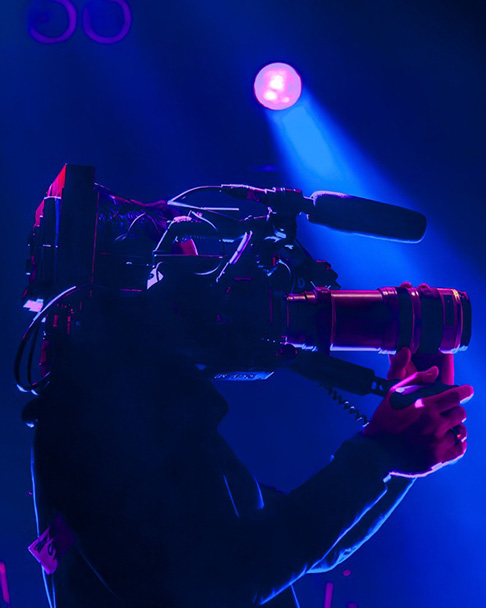
Every film, television series or documentary relies on skilled camera, lighting and grip crews whose creativity, technical ability and teamwork bring each scene to life.
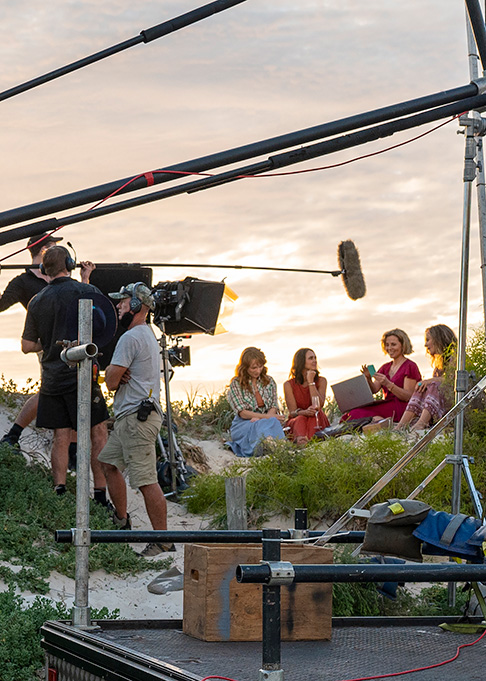
What we hear can completely change the way a scene feels. Some sound specialists capture what happens on set, while some record, create, edit and combine sounds afterwards.
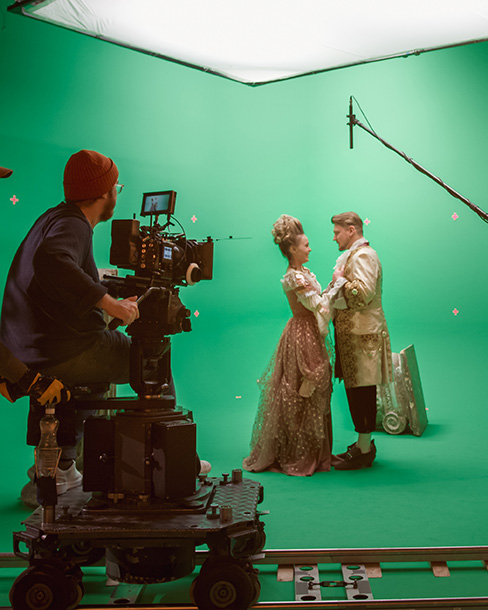
Not everything you see on screen was there when the cameras were rolling. Visual effects can transform real footage, create characters and make the impossible look believable.
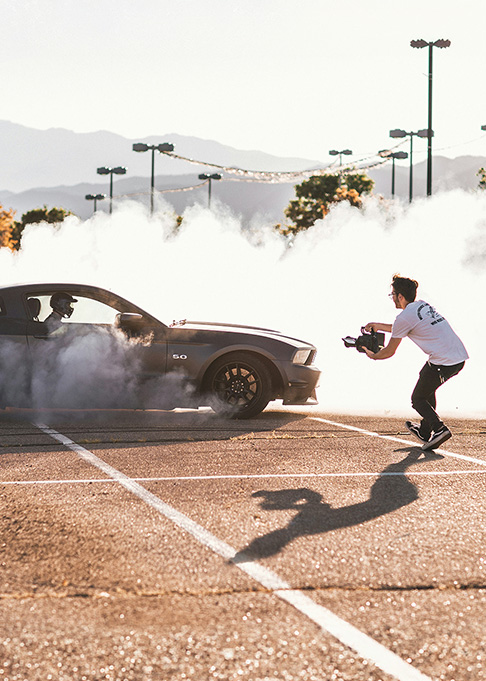
Special effects are not always created digitally. Explosions, smoke, weather effects, car chases, fight scenes and other physical effects can be created and performed for real.
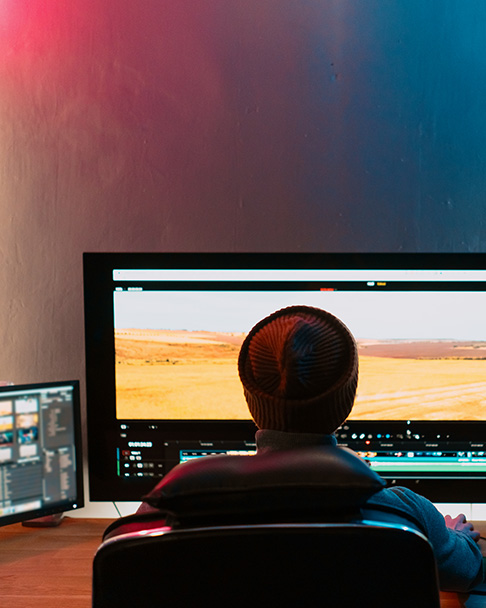
Filming may be finished, but the story is still taking shape. Editors select and arrange shots, deciding what audiences see, when they see it and how long each moment lasts.
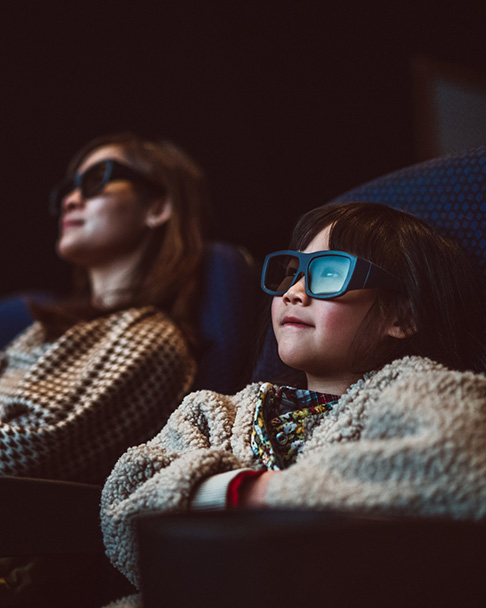
The production is finished, but the work isn’t over. These roles connect screen productions with audiences through publicity, marketing, festivals, sales and distribution.