Recording and creating sound
Shape the audience experience through sound
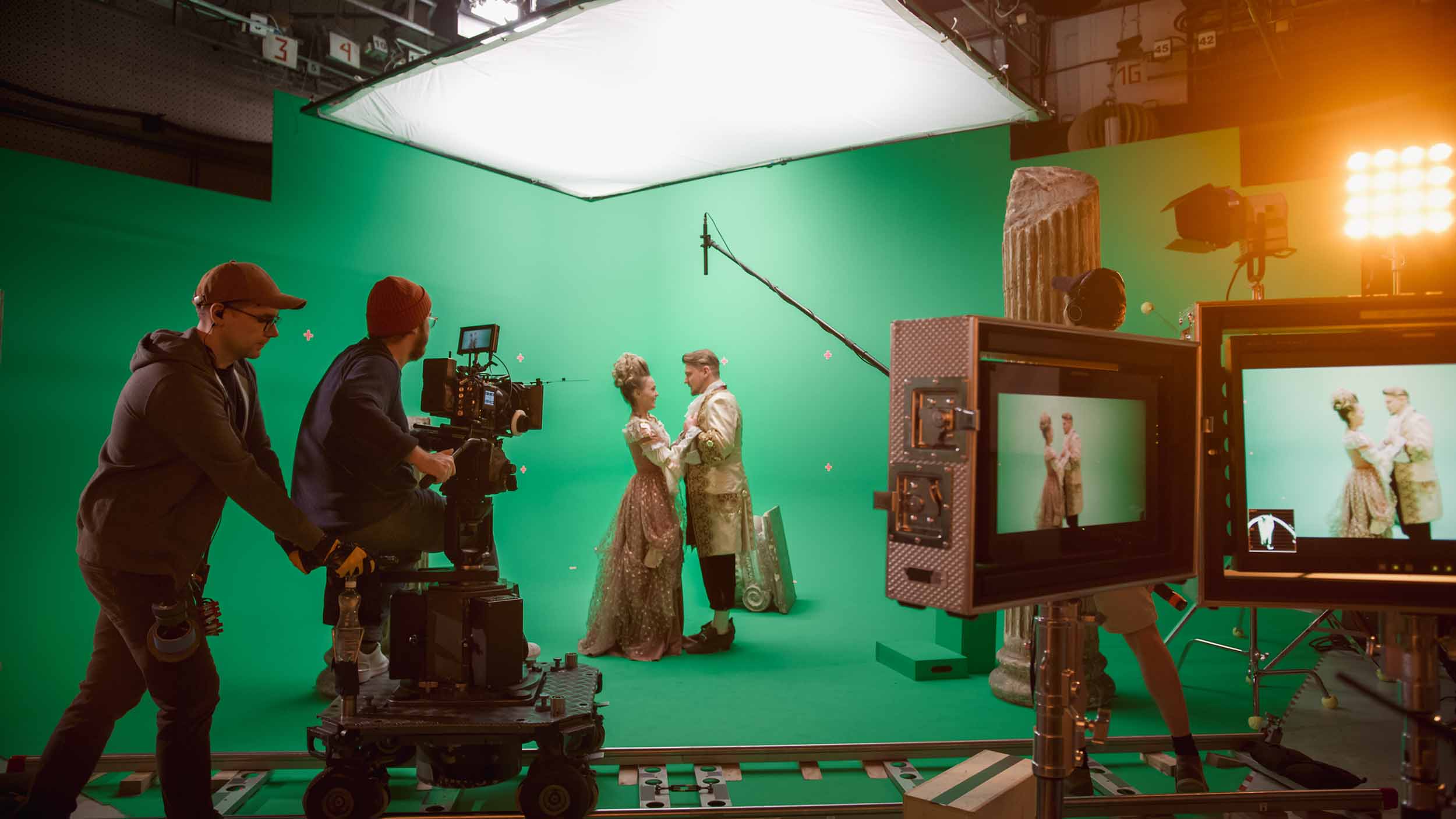
What we hear can completely change the way a scene feels. Dialogue needs to be clear, but screen sound also includes everything from footsteps and background noise to music, atmosphere and effects that may never have existed during filming.
Some sound specialists capture what happens on set, while some record, create, edit and combine sounds afterwards. Others use music to shape emotion, atmosphere and the rhythm of a story. Together, they build the soundtrack that helps make the screen world feel believable and draws audiences into the story.
Does this sound like you?
You might feel at home here if you enjoy listening closely, working with sound and technology, noticing details others might miss, and using both creative and technical skills to shape how something feels.
Love
- Sound and music
- Mood and atmosphere
- Technology and equipment
- Creative experimentation
- Noticing the little details
Strengths
- Careful listening
- Attention to detail
- Technical aptitude
- A musical ear
- Creativity
What kind of job would suit me?
Creating great screen sound involves specialists in a wide range of creative and technical roles. Here are just some of them. Which of these could you picture yourself doing?
Capture sound during filming
- Production Sound Mixer: leads the sound team on set, recording and balancing dialogue and other sounds while filming takes place
- Boom Operator: positions and operates microphones to capture clear dialogue and sound while keeping equipment out of the shot
- Sound Assistant: supports the sound team by preparing, setting up and managing audio equipment during filming
Create music for the screen
- Composer: creates original music to support the story, mood and emotion of a production
- Musician: performs music recorded for a production or its soundtrack
- Score Mixer: records and mixes the musical score, balancing instruments and other elements to create the sound the production needs
- Music Supervisor: oversees the music used in a production, helping select tracks and coordinate the creative, licensing and recording requirements
Shape the sound of the story
- Sound Designer: develops the overall sound of a production, creating and choosing sounds that help build its atmosphere, action and storytelling
- Dialogue Editor: edits and cleans recorded dialogue so speech is clear, consistent and ready for the final mix
- Foley Artist: recreates everyday sounds to match the action on screen, often using unexpected objects and creative techniques to make footsteps, movement and other sounds feel real
Script your learning journey
There are many ways to build the skills and knowledge you’ll need for a career in screen. Some courses offer broad experience across screen and media, while others have a more technical, creative or theoretical focus, and even courses with the same name can offer different experiences depending on where you study. No journey is the same: the best fit will depend on what interests you, how you like to learn and where you’d like your career to take you. Explore the training and education providers below to find the kind of learning that fits you.
Explore education providers
- Curtin UniversityScreen Arts
- Edith Cowan UniversityWA Screen and Media Academy
- Western Australian Academy of Performing ArtsProduction and Design
- Murdoch UniversityScreen Production
- North Metropolitan TAFEScreen and media pathways
- South Metropolitan TAFEScreen and Media courses
- University of Notre DameBachelor of Arts (Major: Film & Screen Production)
- Australian Film Television and Radio SchoolWestern Australian courses
- Goolarri MediaTraining
- SAE University CollegeFilm